
























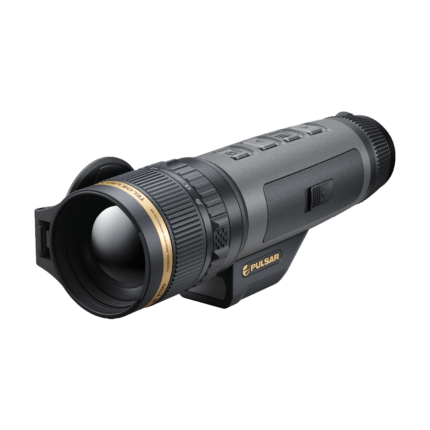
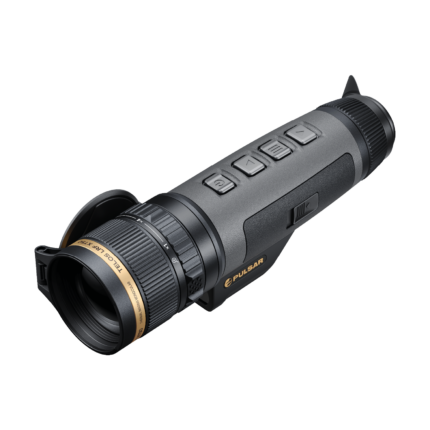
Pulsar Telos LRF XT50 Thermal Imaging Monocular
The Pulsar Telos LRF XT50 Thermal Imaging Monocular delivers exceptional long-range thermal observation with a premium 1280 × 1024 HD thermal sensor, integrated laser rangefinder and 50mm F1.0 objective lens.
Designed for demanding outdoor use, the Telos LRF XT50 combines a wide 17.5° field of view, detection distances up to 2,300 metres and high-resolution AMOLED viewing with Pulsar's innovative upgradeable Telos platform.
Key features:
- 1280 × 1024 HD thermal sensor, 12µm pixel pitch
- Exceptional thermal sensitivity below 20mK sNETD
- 50mm F1.0 objective lens
- Detection range up to 2,300 metres
- Integrated laser rangefinder up to 1,200 metres
- 2–16× magnification, up to 24× with Zoom Boost
- Wide 17.5° field of view
- 1920 × 1080 Full HD AMOLED display
- Electronic image stabilisation
- 128GB internal photo and video storage
- Rechargeable LPS 7i battery system
- Stream Vision 2 smartphone connectivity
- Upgradeable hardware platform
Available from Ellmor Limited, supplying premium thermal imaging equipment for wildlife observation, gamekeeping and professional countryside use.
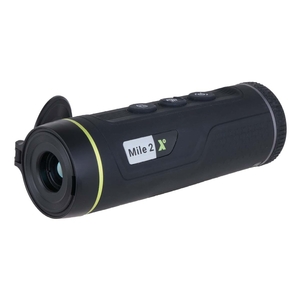
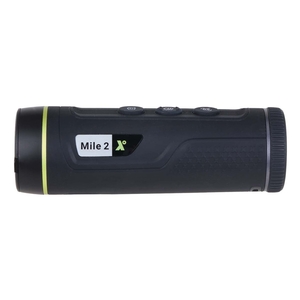
PIXFRA Mile 2 M207 Thermal Imaging Monocular – 7mm
The PIXFRA Mile 2 M207 is a compact thermal imaging monocular for wildlife observation and countryside use. Its 256×192 sensor and 7mm F1.0 lens provide a wide viewing area for scanning your surroundings. Built-in recording, Wi-Fi connectivity and a lightweight design make it convenient to carry and share observations.
256×192 | 12µm | 7mm F1.0 | 24° FOV | 350m detection | 16GB | Wi-Fi | 270g | IP67
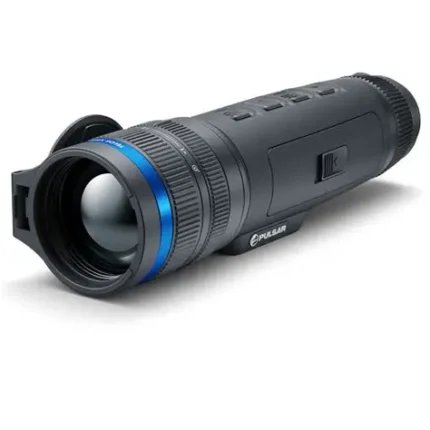
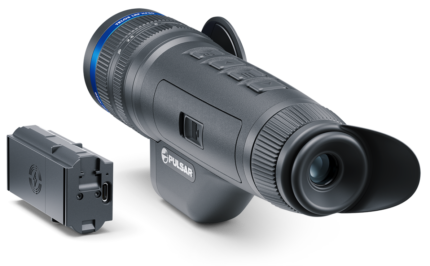
PULSAR TELOS XP50 THERMAL IMAGING MONOCULAR
The Pulsar Telos XP50 is a premium 640 thermal imaging monocular featuring an exceptionally sensitive 640×480 17µm sensor with <18mK NETD, fast 50mm F1.0 lens and up to 1800m manufacturer-stated detection range.
Its wide field of view and excellent thermal sensitivity make the XP50 ideal for wildlife observation, gamekeeping, pest control and demanding field use, particularly in difficult or low-thermal-contrast conditions.
640×480 | <18mK NETD | 50mm F1.0 | 2.5–10x | 1800m detection | 64GB recording | Wi-Fi | IPX7
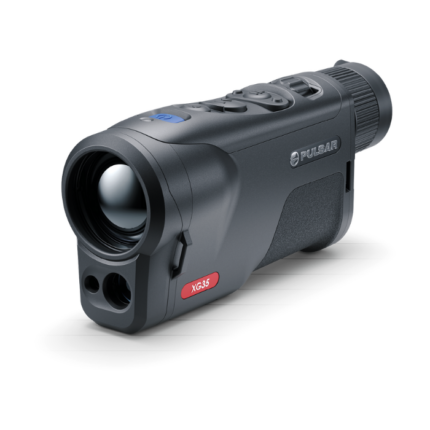
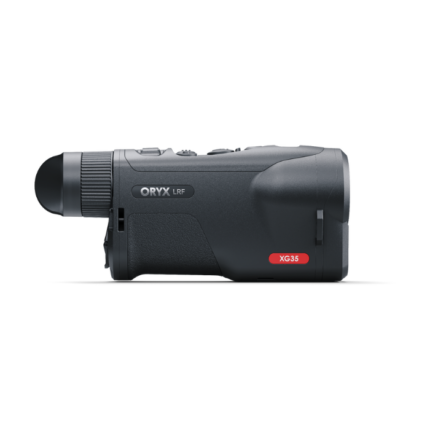
Pulsar Oryx LRF XG35 Thermal Imaging Monocular with Laser Rangefinder
The Pulsar Oryx LRF XG35 is a premium 640 thermal imaging monocular with integrated 1500m laser rangefinder. Its 640×480 12µm sensor, fast 35mm F1.0 lens and wide field of view provide excellent image detail for wildlife observation, gamekeeping, pest control and professional field use.
With electronic image stabilisation, up to 12-hour dual battery operation and rugged IP67 magnesium-alloy construction, the Oryx is built for extended observation in demanding conditions.
640×480 | 12µm | 35mm F1.0 | 2.5–20x | 1800m detection | 1500m LRF | Image stabilisation | IP67
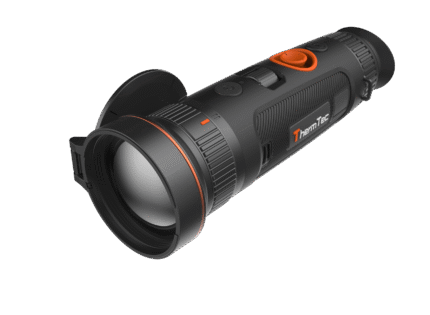
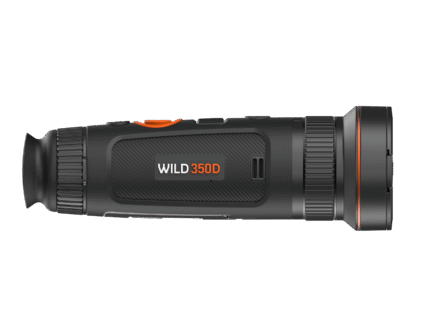
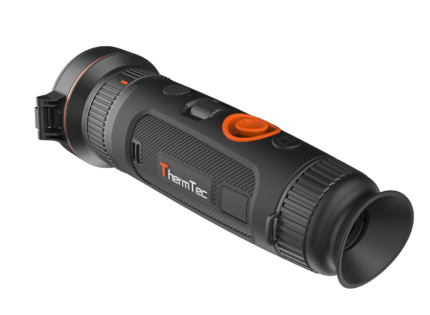
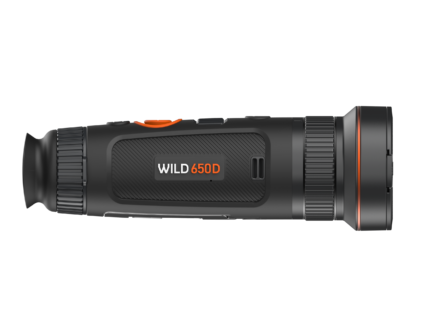
THERMTEC WILD D Series 350D Thermal Dual Lens Monocular

THERMTEC WILD D Series 350D Thermal Dual Lens Monocular
Specification WILD 350D WILD 650D
| Resolution | 384x288 | 640x512 |
| Pixel pitch | 12µm | 12µm |
| NETD | 18mk@300k | 18mk@300k |
| Spectral range | 8-14µm | 8-14µm |
| Frame rate | 50HZ | 50HZ |
| Detection range | 1300m/2600m | 1300m/2600m |
| Objective lens | 25mm/50mm | 25mm/50mm |
| F Number | F0.9/F0.9 | F0.9/F0.9 |
| m@100m | 18.4x13.8/9.2x6.9 | 30.7x24.6/15.4x12.3 |
| Field of view | 10.5° x 7.9°/5.3° x 4° | 17.5° x 14°/8.8° x 7.0° |
| Magnification | 2.4X-4.8X | 1.4X-2.8X |
| Digital zoom | 1-4X continuous zoom | 1-4X continuous zoom |
| Eye relief | 40mm | 40mm |
| Exit pupil | 6mm | 6mm |
| Diopter | ±5D | ±5D |
| Type | AMOLED | AMOLED |
| Display Resolution | 1024x768 | 1024x768 |
| Display size | 0.39 inch | 0.39 inch |
| Color palette | 6 | 6 |
| Image mode | Forest/Target | Forest/Target |
| Photo/video playback | Yes | Yes |
| Language | Multiple-languages | Multiple-languages |
| Built-in Memory | 64GB | 64GB |
| PIP | Yes | Yes |
| AI Distance Measurement | Yes | Yes |
| Heat Track | Yes | Yes |
| Real-time Notification | Yes | Yes |
| OSD Recording | Yes | Yes |
| Burn prevention | Yes | Yes |
| EIS | Yes | Yes |
| Internal battery | Replaceable and Rechargeable Li-ion Battery (18650x1) | Replaceable and Rechargeable Li-ion Battery (18650x1) |
| Battery life | 10h | 8h |
| Type-C | Supports battery charging, data transfer, USB video output | Supports battery charging, data transfer, USB video output |
| Hotspot | Yes, App remote control | Yes, App remote control |
| Protection Level | IP67 | IP67 |
| Weight, g | 647.5±15 | 647.5±15 |
| Size, mm | 210(L)x81(W)x71(H) | 210(L)x81(W)x71(H) |
| External Cable | USB cable | USB cable |
| Other Accessories | Palm strap/Protective bag/Non-dust cloth and etc. | Palm strap/Protective bag/Non-dust cloth and etc. |
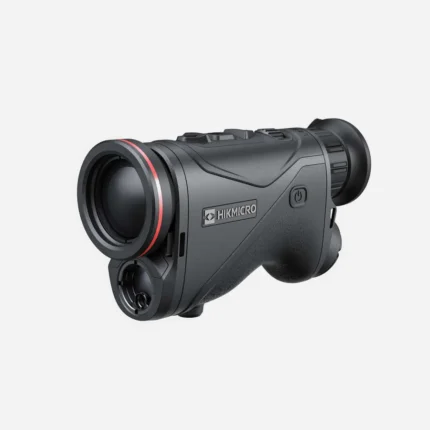
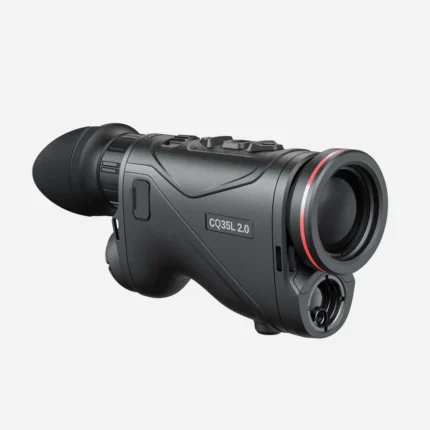
HIKMICRO Condor CQ35L 2.0 LRF Thermal Monocular
The HIKMICRO Condor CQ35L 2.0 combines a sensitive 640×512 thermal sensor with a 35mm F1.0 lens and integrated 1,000m laser rangefinder. Its wide viewing area supports scanning, while shutterless imaging and a Full HD OLED display provide smooth observation. Features include built-in recording and a replaceable rechargeable battery.
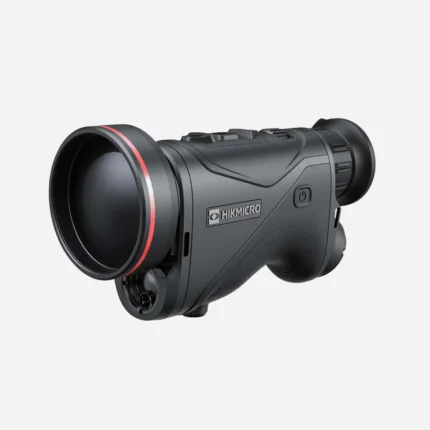
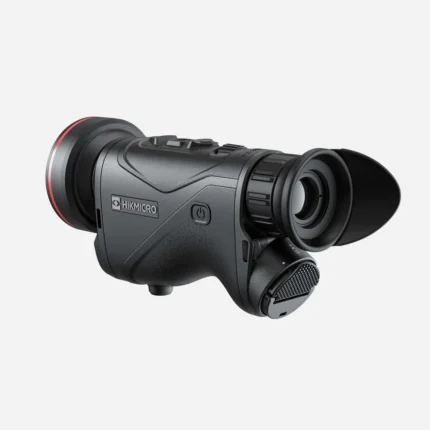
HIKMICRO CONDOR CQ50L 2.0 Thermal Monocular with Laser Rangefinder
The HIKMICRO CONDOR CQ50L 2.0 combines a sensitive 640×512 thermal sensor with a 50mm F0.9 lens and integrated 1,000m laser rangefinder. Its Full HD OLED display and shutterless imaging system support smooth observation, while built-in recording lets you save photographs and video.
640×512 | <15mK | 50mm F0.9 | 2.7–21.6× | 2600m detection | 1000m LRF | HSIS | 64GB | IP67
HIKMICRO Falcon FQ50L 2.0 LRF Thermal Imaging Monocular

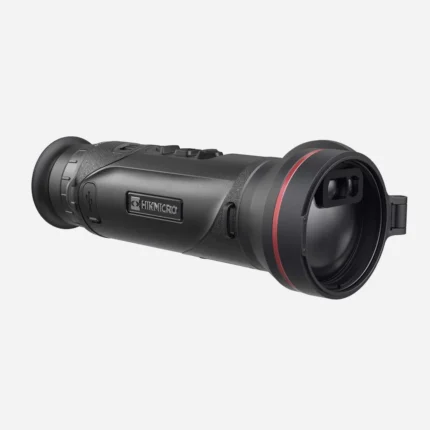
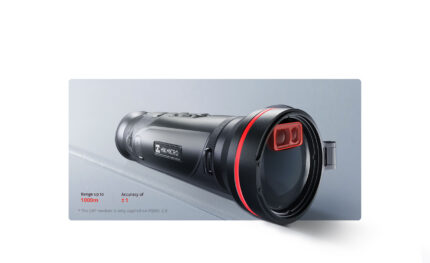
The HIKMICRO Falcon FQ50L 2.0 is a premium long-range 640 thermal imaging monocular with integrated 1000m laser rangefinder. Its highly sensitive 640×512 12µm <15mK sensor, fast 50mm F0.9 lens and 2.7× base magnification deliver outstanding thermal detail across larger fields and open countryside.
With up to 2600m manufacturer-stated detection, HIKMICRO HSIS, Image Pro 2.0, Zoom Pro, a 1920×1080 OLED display and 64GB recording, the Falcon FQ50L 2.0 is a high-performance thermal spotter for wildlife observation, gamekeeping and pest control.
640×512 | <15mK | 50mm F0.9 | 2.7–21.6× | 2600m detection | 1000m LRF | HSIS | 64GB | IP67
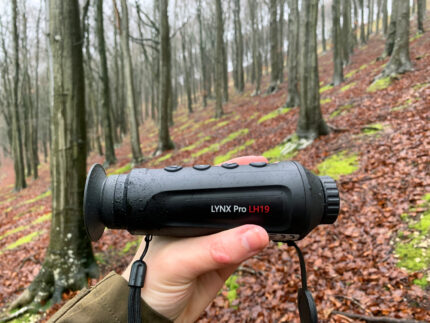
HIKMICRO Lynx Pro LH19 384 Thermal Monocular – CLEARANCE
CLEARANCE – ONLY 2 LEFT
Was £1,199.99 – NOW £849.98 inc VAT
SAVE £350
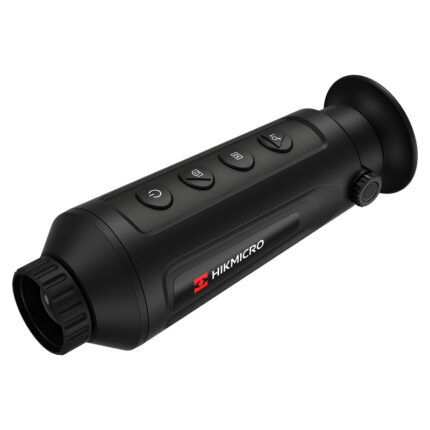
Final stock of the original HIKMICRO Lynx Pro LH19 384 Thermal Monocular.
The HIKMICRO Lynx Pro LH19 is a compact thermal imaging monocular featuring a 384×288 sensor, 12µm pixel pitch and 19mm objective lens. Thermal sensitivity below 35mK helps reveal temperature differences, while built-in recording and 8GB storage let you save your observations.
£849.99 inc VAT – SAVE £350 – ONLY 2 AVAILABLE
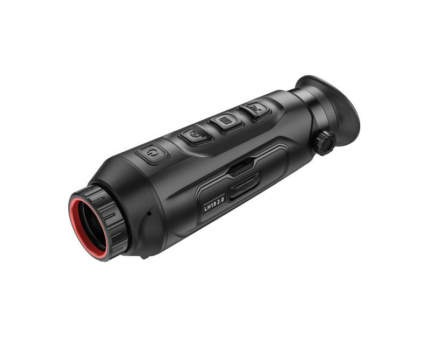
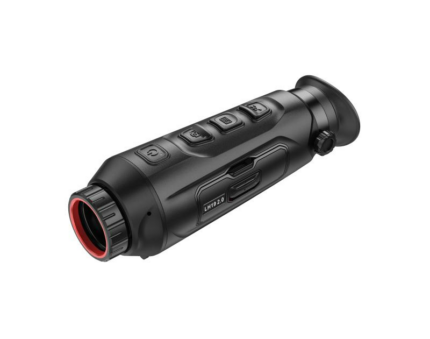
HIKMICRO Lynx Pro V2 LH19 Thermal Monocular – 19mm
The HIKMICRO Lynx Pro V2 LH19, also known as the LYNX LH19 2.0, combines a 384×288 thermal sensor with sensitivity below 20mK and a 19mm F1.0 lens. Its OLED display, built-in recording and replaceable rechargeable battery make it a practical handheld thermal monocular for wildlife observation and gamekeeping.
384×288 | 12µm | <20mK | 19mm F1.0 | 900m Detection | OLED | 16GB | Replaceable Battery | IP67
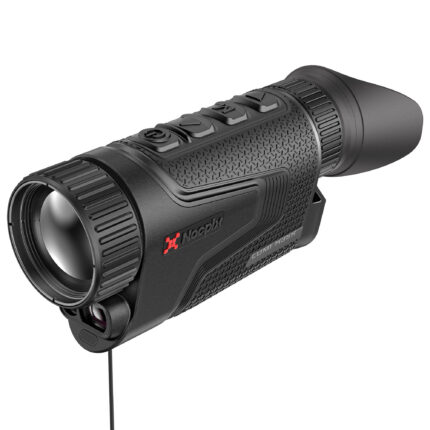
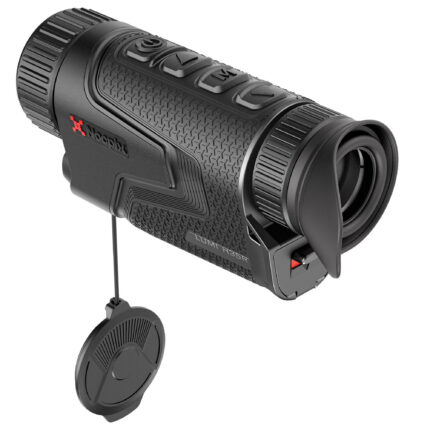
Nocpix LUMI H35R Thermal Monocular with 800m Laser Rangefinder
The Nocpix LUMI H35R combines a 640 × 512 thermal sensor, 35mm F0.9 lens and integrated 800m laser rangefinder in a compact handheld monocular. With ≤18mK thermal sensitivity, 2.5–20× magnification and electronic image stabilisation, it supports detailed observation by day and night. A replaceable 18650 battery, AMOLED display and onboard recording complete the package.
Thermal Monoculars & Thermal Imaging Monoculars
Thermal Monoculars & Thermal Imaging Monoculars from Ellmor offer a fast and effective way to detect and observe heat signatures in complete darkness and challenging visibility conditions.
Explore handheld thermal monoculars from leading manufacturers including HIKMICRO, Pulsar, ThermTec, PIXFRA, NOCPIX and Guide, with options ranging from compact entry-level thermal imagers to advanced 384 and 640 resolution thermal monoculars with laser rangefinders (LRF).
Ideal for wildlife observation, gamekeeping, pest detection, land management, livestock monitoring and professional field use, thermal monoculars provide a compact and portable way to scan fields, woodland, hedgerows, buildings and open countryside.
Modern thermal monoculars can provide excellent image quality in total darkness without requiring a conventional light source. They detect differences in temperature and convert them into a visible thermal image, allowing people, animals and other heat sources to be identified in conditions where conventional optics may struggle.
384 & 640 Thermal Monoculars
One of the most important considerations when choosing a thermal monocular is sensor resolution.
384-class thermal sensors offer an excellent combination of image quality, detection performance and value, making them a popular choice for general thermal observation.
For customers looking for greater image detail, 640-class thermal monoculars provide increased resolution that can help produce a more detailed thermal image, particularly when observing at greater distances or using digital magnification.
Ellmor stocks both 384 and 640-class thermal monoculars across a range of specifications and price points.
Thermal Monoculars with Laser Rangefinders
Many advanced thermal monoculars are available with an integrated laser rangefinder (LRF).
An LRF allows the user to measure the distance to an observed object directly through the thermal device, providing useful additional information when monitoring wildlife, livestock, land or large outdoor areas.
Models with integrated rangefinding provide the convenience of thermal observation and distance measurement within a single compact handheld device.
Understanding Thermal Sensitivity
Another important specification is NETD, which measures the thermal sensitivity of the sensor.
A lower NETD figure generally indicates that the device can distinguish smaller differences in temperature. This can help reveal additional detail in challenging conditions such as mist, rain, high humidity or when there is relatively little temperature difference between an object and its surroundings.
When comparing thermal monoculars, sensor resolution and NETD should therefore be considered alongside lens size, magnification, field of view and detection range.
Choosing the Right Thermal Monocular
The best thermal monocular will depend on how and where you intend to use it. Important specifications to compare include:
- Thermal sensor resolution – such as 256, 384 or 640-class sensors.
- NETD / thermal sensitivity – lower figures can provide greater thermal detail in difficult conditions.
- Objective lens size – influences magnification, field of view and longer-distance performance.
- Detection range – indicates the distance at which a heat source can potentially be detected.
- Field of view – a wider field of view can make scanning large areas easier.
- Optical magnification – particularly important when observing over longer distances.
- Laser rangefinder (LRF) – available on selected models for distance measurement.
- Battery life – important for extended periods of outdoor observation.
- Image and video recording – allows observations to be captured for later viewing.
- Wi-Fi and app connectivity – available on selected models for transferring or viewing images and recordings.
- Size and weight – compact devices can be particularly convenient when carried for extended periods.
Leading Thermal Monocular Brands
Ellmor stocks thermal monoculars from established thermal imaging manufacturers including HIKMICRO, Pulsar, ThermTec, PIXFRA, NOCPIX and Guide.
Our range includes compact handheld thermal imagers, 384-resolution models and premium 640-class thermal monoculars, with selected devices featuring integrated laser rangefinders, advanced image processing, image stabilisation and recording capabilities.
With different sensor resolutions, lens sizes, magnifications and detection ranges available, customers can compare models to find the thermal monocular best suited to their requirements and budget.
Thermal Monoculars for Wildlife & Land Management
Thermal imaging is particularly useful for wildlife observation and land management because it allows heat signatures to be detected without relying on daylight.
A handheld thermal monocular can be used to scan woodland, fields and hedgerows, locate animals amongst vegetation, monitor livestock and inspect large areas of land.
Their compact size also makes thermal monoculars particularly convenient for carrying during extended periods outdoors.
Shop Thermal Monoculars at Ellmor
Browse the Ellmor thermal monocular range from HIKMICRO, Pulsar, ThermTec, PIXFRA, NOCPIX, Guide and other leading thermal imaging manufacturers.
Compare thermal monoculars by sensor resolution, NETD thermal sensitivity, lens size, magnification, detection range, field of view and laser rangefinder capability to find the right thermal imaging equipment for your requirements.
Whether you’re looking for a compact first thermal imager, a 384 thermal monocular, a high-resolution 640 thermal monocular, or an advanced model with an integrated laser rangefinder, explore the range available from Ellmor Limited.