


















Effective pest and predator control starts with understanding the problem. Identifying the species involved, reducing access to food and improving physical protection can help you choose suitable equipment and assess whether it is working.
This guide covers prevention, monitoring, deterrents and the checks needed before selecting control equipment for farms, estates and poultry or game-rearing areas.
Identify the Problem Before Choosing Equipment
Wildlife activity does not always mean that an animal is causing damage.
Before buying equipment, record what has happened, where it occurred and when. Look for repeated patterns rather than drawing conclusions from one sighting.
Useful information includes:
- Damage to buildings, fencing or stored materials.
- Feed losses or contamination.
- Signs of entry around doors and boundaries.
- Tracks or other evidence requiring identification.
- Photographs or camera recordings.
- The times and locations of repeated activity.
If the species is uncertain, seek experienced advice. Different animals require different approaches, and protected wildlife may be present alongside the species you are investigating.
Reduce Food Sources & Access
Start by reviewing what may be attracting animals to the site.
Keep stored feed secure, clear spillages promptly and manage waste appropriately. Inspect storage containers, doors and building edges for damage.
Check feeders for leaks, broken components or excessive spillage. Reducing waste can help remove an avoidable food source.
Review:
- Feed storage and delivery areas.
- Waste containers and collection arrangements.
- Damaged doors, vents and access points.
- Gaps beneath gates.
- Materials stored against buildings.
- Areas that are difficult to inspect or clean.
Before sealing an opening, establish whether animals are using it and whether protected species, nests or dependent young could be affected.
Check Physical Protection
Well-maintained fencing, mesh, gates and building fabric form an important part of prevention.
Walk the boundary and inspect vulnerable points, including corners, drainage routes and changes in ground level. Repair damage using materials suitable for the animals and location involved.
Where electric fencing is used, check the installation and test its performance with a purpose-made fence tester. Follow the energiser manufacturer’s instructions for earthing, connections and maintenance.
Browse Ellmor’s Electric Fencing Equipment & Accessories.
Monitoring with Trail Cameras
Trail cameras can help establish which animals visit a location and whether activity follows a regular pattern.
When comparing cameras, consider:
- Image and video requirements.
- Trigger performance.
- Night illumination.
- Battery arrangements.
- Memory-card compatibility.
- Mobile coverage for cellular models.
- Any transmission-plan or subscription costs.
Non-cellular cameras store recordings for collection at the camera. Cellular models can transmit supported recordings through a mobile service, depending on the model, coverage and plan.
Position cameras securely and review their recordings regularly. Aim them at the relevant area while avoiding unnecessary recording of neighbouring property or public spaces.
Browse Ellmor’s Trail Cameras.
Night-Time Observation
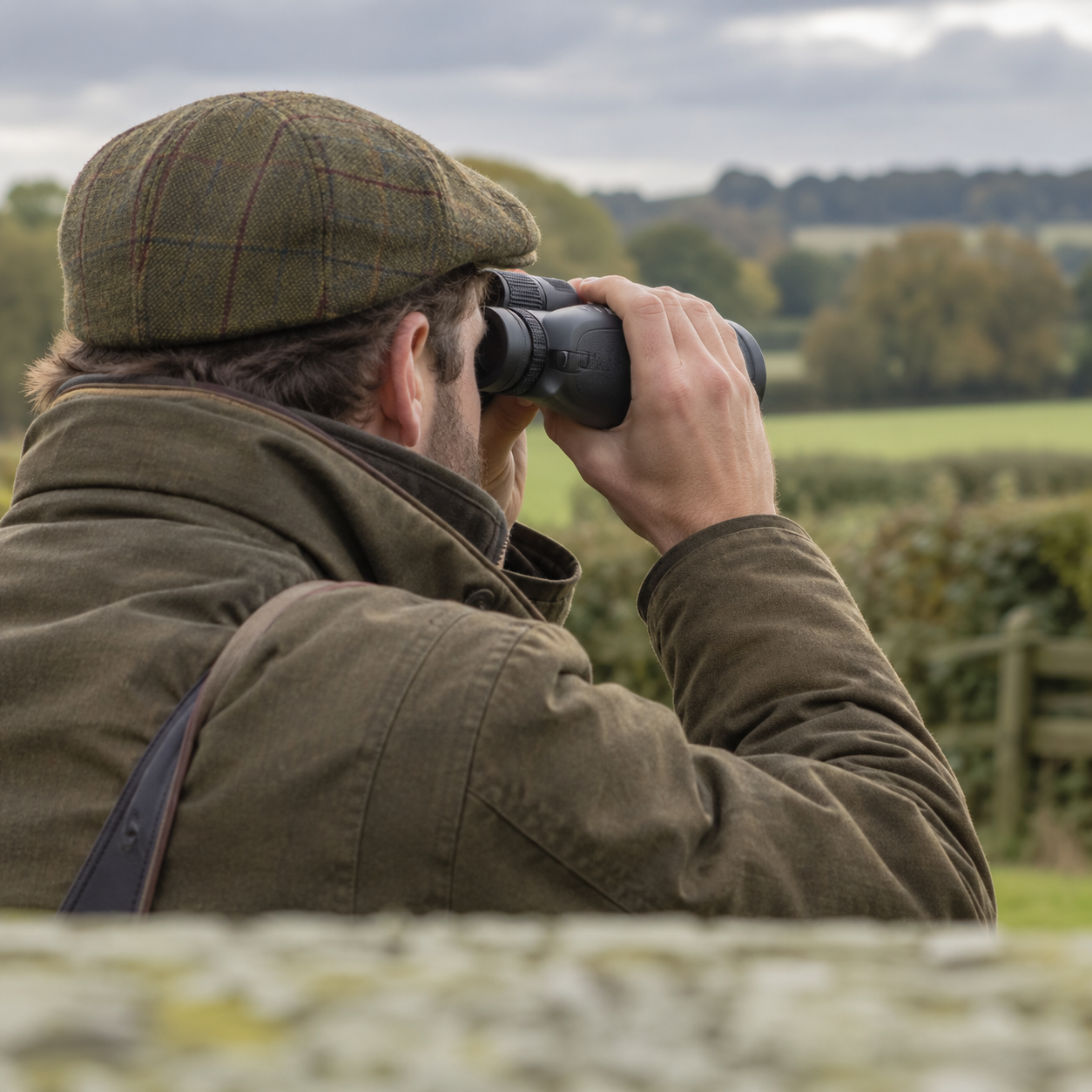
Suitable observation equipment can help you assess activity without repeatedly approaching the area.
When comparing thermal or night-vision equipment, consider the viewing environment, field of view, battery life and the detail required.
Detecting movement or a heat signature does not necessarily establish the species or explain the cause of damage. Confirm identification before making control decisions.
Use observation equipment alongside physical inspections and recorded evidence.
Predator Deterrents
Deterrents can form part of a wider protection plan.
Before buying, consider the intended species, location, power supply and manufacturer’s positioning instructions. Check how equipment will be maintained and whether its operation could affect neighbours, roads or other animals.
Ellmor’s range includes battery-powered and solar FOXLIGHTS night predator deterrents.
A deterrent should be assessed by its results at your site. Continue checking boundaries and reviewing activity rather than assuming that installing a device has resolved the problem.
Browse the current Pest & Predator Control range.
Selecting Traps & Associated Equipment
Choose trapping equipment only after confirming the species, permitted method and requirements for your location.
A trap being available to buy does not establish that it is lawful for every animal or installation.
Before use, confirm:
- The exact trap make and model.
- Whether approval is required for the intended species.
- Conditions applying to its use.
- Any required tunnel, enclosure or exclusion arrangement.
- The manufacturer’s instructions.
- Inspection and animal-welfare responsibilities.
- Whether you have the necessary competence and permissions.
A tunnel alone does not establish compliance. The complete arrangement must meet the conditions applying to that trap and its intended use.
Ellmor lists spring traps and a trap tunnel within its range. Check current approvals and instructions before selecting or using them.
Protecting Non-Target Animals
Assess the potential presence of pets, livestock and wildlife before placing control equipment.
Use the required protective arrangements and prevent access by animals that are not the intended target.
Do not begin live trapping without a lawful plan for dealing with every foreseeable capture, including non-target animals. Some captured species cannot lawfully be released.
Seek professional advice if identification, handling or the required next steps are uncertain.
Wild Birds & Protected Wildlife
Wild birds and other protected wildlife require particular care. A species causing inconvenience is not automatically lawful to capture or kill.
For wild bird control in England, check whether an appropriate licence applies to the species, purpose and proposed method. General licences have conditions; they are not blanket permission.
Rules and licensing arrangements differ across England, Wales, Scotland and Northern Ireland. Check the current requirements for the place where equipment will be used.
The government’s wild bird damage guidance explains the starting points for England.
Inspection, Maintenance & Records
Establish an inspection routine appropriate to the equipment and any legal or licence conditions.
Do not rely on one inspection interval for every type of trap or installation. Follow the applicable requirements and inspect more frequently where conditions demand it.
Useful records include:
- Equipment locations and identification.
- Inspection dates and findings.
- Camera observations.
- Repairs and maintenance.
- Any non-target incidents.
- Changes made and subsequent results.
If you cannot maintain the required inspection and welfare arrangements, do not leave trapping equipment operating.
Reviewing Persistent Problems
If activity continues, reassess the evidence before buying more equipment.
Ask:
- Has the species been identified correctly?
- Are food sources still accessible?
- Is there an entry point that has been missed?
- Is equipment suitable and working correctly?
- Has activity moved elsewhere?
- Is specialist help needed?
A professional pest controller or wildlife adviser can help where the cause, lawful options or practical response remain uncertain.
For general guidance, see Pest control on your property.
Pest & Predator Control Checklist
☐ Species and damage assessed
☐ Feed storage, spillages and waste reviewed
☐ Boundaries and building access points inspected
☐ Monitoring equipment selected where useful
☐ Deterrents matched to the location
☐ Current permissions and legal requirements checked
☐ Trap approvals and conditions confirmed where relevant
☐ Non-target risks assessed
☐ Inspection and welfare arrangements established
☐ Results recorded and reviewed
Pest & Predator Control Equipment from Ellmor
Ellmor supplies equipment for monitoring, deterrence and pest management, including trail cameras, night predator deterrents, electric fencing equipment and selected traps and accessories.
For help identifying product specifications or compatible accessories, tell us what equipment you are considering and where it will be used.
Call 01630 685 257 or browse our Pest & Predator Control range.
For advice on protected species, permissions or a suitable control programme, consult the relevant authority or a qualified pest-management professional.