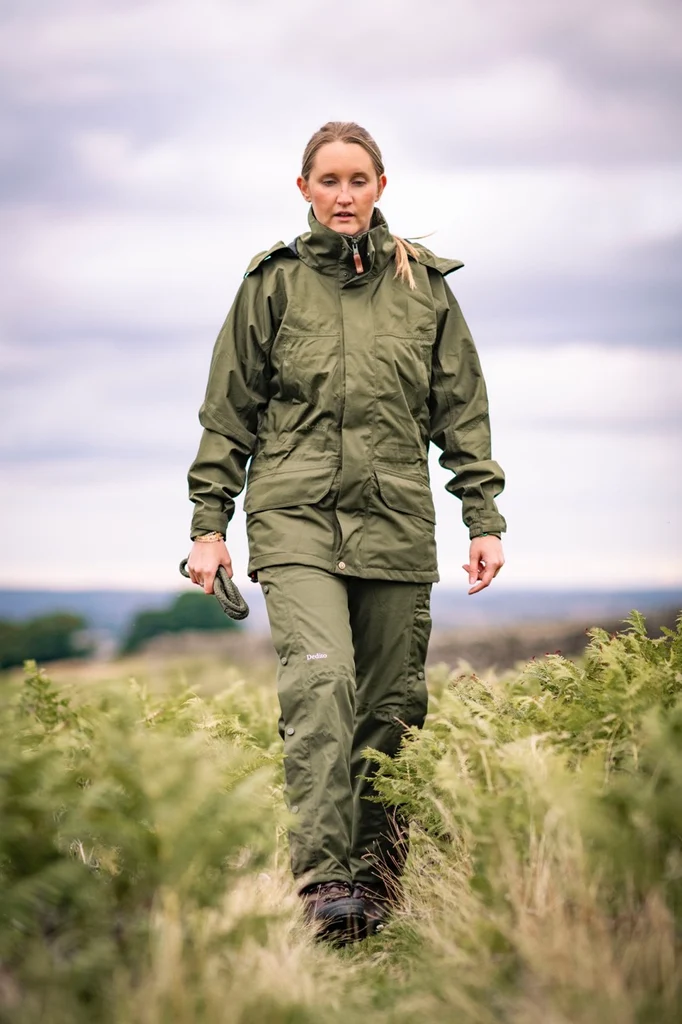








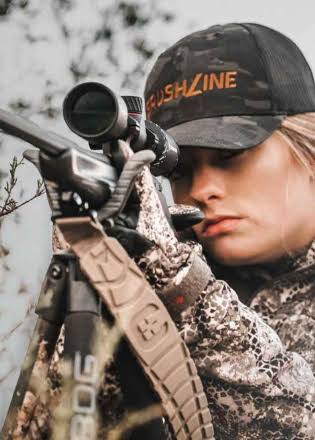


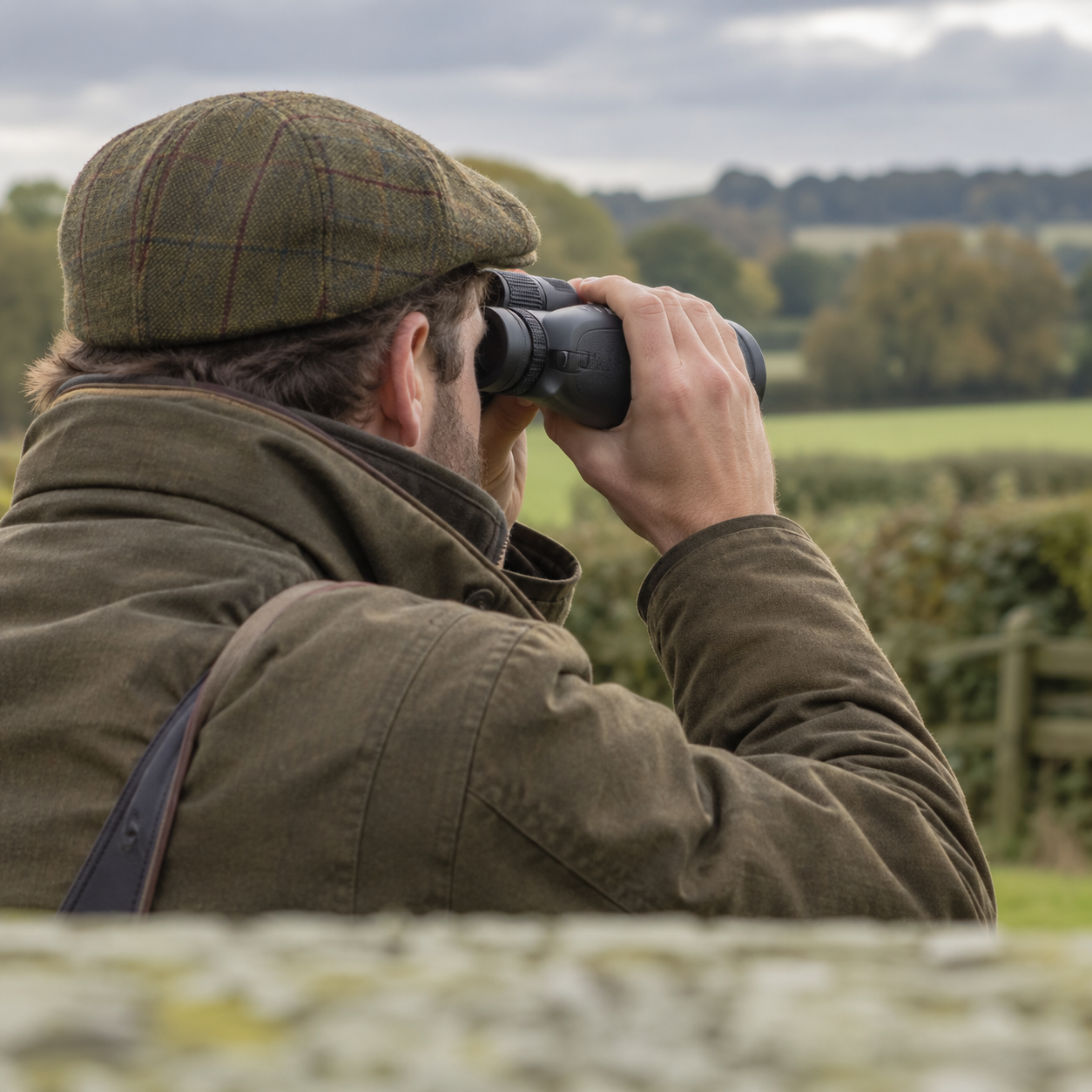










Choosing suitable country clothing and footwear helps you stay comfortable when working or spending time outdoors.
The right combination depends on the weather, ground conditions and how active you will be. Clothing for a long walk may need different features from equipment worn while standing outside for extended periods.
This guide covers layering, waterproof clothing, boot selection and practical care.
Choosing Country Clothing and Footwear
Start with how and where you will use your equipment.
Consider:
- Expected temperatures, wind and rainfall.
- Time spent walking compared with standing still.
- Mud, wet grass and uneven ground.
- Freedom of movement.
- How much equipment you carry.
- Cleaning and maintenance requirements.
- Fit with the layers and socks you normally wear.
Choose features that suit your regular activities rather than selecting by appearance alone.
Browse Ellmor’s Country Clothing & Boots.
Building a Practical Layering System
Separate layers allow you to adjust your clothing as conditions and activity levels change.
A typical arrangement includes:
- Base layer: worn next to the skin to help manage moisture.
- Mid-layer: provides insulation, with thickness suited to the conditions.
- Outer layer: offers the required protection from wind and rain.
Avoid making the combination so tight that it restricts movement. Check that your outer layer fits comfortably over the clothing you expect to wear underneath.
Being able to remove or ventilate a layer can be useful when moving between active work and quieter periods outdoors.
Choosing an Outdoor Jacket
Compare a jacket’s design as well as its fabric specification.
Useful features to assess include:
- Hood fit and adjustment.
- Collar height and comfort.
- Sleeve length when reaching forwards.
- Cuff adjustment.
- Pocket access.
- Zip operation with gloves.
- Garment length when bending or sitting.
- Ventilation options.
- Space for insulating layers.
A heavily insulated jacket may suit cold, stationary use but feel too warm during sustained activity. A lighter outer shell offers more flexibility when combined with separate layers.
Browse Ellmor’s Country & Outdoor Jackets.
Waterproof, Water-Repellent & Windproof
These descriptions refer to different properties.
Waterproof clothing uses materials and construction intended to resist water penetration. Check the complete garment specification, including seams and closures.
Water-repellent finishes help water bead on the outer surface. They are not, by themselves, a guarantee that the garment is waterproof.
Windproof clothing reduces wind penetration but is not necessarily waterproof.
Compare any waterproof or breathability ratings with care. Different test methods and garment designs can make headline figures difficult to compare directly.
Breathability & Comfort
Breathable clothing is designed to allow moisture vapour to escape, but it cannot guarantee that you will remain dry inside during every activity.
Excess insulation, vigorous movement and warm or humid conditions can all affect comfort.
Adjust layers and ventilation before becoming excessively hot. Check whether dampness is widespread inside the garment or concentrated around a damaged seam or closure before assuming that rain is getting through.
Trousers & Waterproof Overtrousers
Choose trousers that allow comfortable movement when walking, bending, kneeling and stepping over obstacles.
Consider reinforcement where needed, pocket position, drying time and fit around your boots.
For overtrousers, check:
- Space over your normal trousers.
- Waist adjustment.
- Leg length.
- Ankle openings and closures.
- Ease of putting them on.
- Whether the design allows removal over footwear.
Do not assume every overtrouser can be pulled over large boots. Check the product’s opening arrangement before buying.
Choosing Country Boots
Footwear should match the terrain, weather and amount of walking involved.
Compare:
- Fit and available sizing.
- Sole tread and intended use.
- Flexibility and support.
- Boot height.
- Waterproof construction where required.
- Insulation.
- Weight.
- Upper material and care requirements.
A tall boot provides different coverage from a shorter walking boot, but height alone does not establish comfort or suitability.
Browse Ellmor’s Country Boots & Footwear.
Leather Boots or Wellington Boots?
Both can suit countryside use, depending on the conditions and design.
| Footwear | Points to consider |
|---|---|
| Leather country boots | Fit, lacing, support, sole design, waterproof construction and leather care |
| Wellington boots | Calf fit, lining, insulation, flexibility, sole design and ease of removal |
For prolonged walking, assess support and comfort carefully. For muddy ground and frequent cleaning, consider how easily the footwear can be washed and dried.
Neoprene-lined wellingtons provide insulation, which may be useful in colder conditions but unnecessary for some warmer-weather activities.
Getting the Fit Right
Try footwear with the socks you intend to wear.
Check that toes have room, the heel feels secure and there are no concentrated pressure points. Walk around indoors on a clean surface before deciding.
For wellingtons, assess calf fit as well as foot size. Check whether trousers will be worn inside the shaft and whether the adjustment range accommodates them comfortably.
Fit varies between manufacturers and models. Follow the relevant size guidance rather than assuming your usual size will fit every boot.
Socks & Accessories
Choose socks for the footwear, temperature and activity.
Very thick socks can make an otherwise suitable boot too tight. Take the intended sock thickness into account when checking fit.
Gloves and headwear should also suit the task. Consider grip, dexterity, warmth and whether controls, fastenings or equipment can be operated comfortably.
Cleaning & Drying Boots
Remove mud and dirt using methods suitable for the boot material.
Where permitted, remove insoles to air and dry separately. Allow boots to dry in a ventilated place, away from radiators, fires and other direct heat sources.
Check the manufacturer’s instructions before applying cleaners, conditioners or waterproofing treatments. Smooth leather, suede, nubuck, coated leather, textiles and rubber may require different products.
Inspect soles, stitching, laces and closures regularly. Seek repair advice when damage appears rather than relying on a waterproofing treatment to fix a structural fault.
Choosing Boot Care Products
Use care products recommended for the exact material and construction.
Wax can alter the appearance of some suede or nubuck finishes. Specialist coatings may also have their own care requirements.
Do not assume that a product suitable for one leather boot is appropriate for every other model.
Follow the treatment instructions, including whether the footwear should be damp or dry during application. Test for appearance changes where the manufacturer recommends it.
Washing Waterproof Clothing
Read the garment’s care label before washing.
Use the specified detergent type, washing programme and drying method. For GORE-TEX garments, the brand advises avoiding fabric softener, powder detergent and chlorine bleach.
Some garments allow controlled heat to restore the outer water-repellent finish; others have different requirements. Do not tumble dry or iron unless the instructions permit it.
If water no longer beads on the surface, follow the manufacturer’s cleaning and care process before deciding whether a compatible reproofing treatment is needed.
A surface treatment will not repair holes, failed seams or damaged waterproof components.
Storage & Seasonal Checks
Store clothing and footwear clean and dry in a suitable ventilated space.
Before the next period of regular use, inspect:
- Jacket and trouser seams.
- Zips, cuffs and closures.
- Boot soles and uppers.
- Laces, eyelets and fastenings.
- Linings and insoles.
- Areas of wear or damage.
Leave time for cleaning, repairs or replacement before equipment is needed.
Country Clothing and Footwear Checklist
☐ Clothing matched to the weather and activity
☐ Layers fit comfortably together
☐ Jacket allows the required movement
☐ Waterproof features checked
☐ Trousers fit correctly over footwear
☐ Boots tried with suitable socks
☐ Sole design assessed for the intended terrain
☐ Calf fit checked where relevant
☐ Care instructions understood
☐ Compatible cleaning and treatment products identified
Country Clothing & Footwear from Ellmor
Ellmor supplies country clothing and footwear for outdoor work, country pursuits and everyday use.
Whether you need a jacket, waterproof overtrousers, leather boots or wellingtons, compare the specifications and fit with your usual activities.
Call 01630 685 257 for help with product details and sizing, or browse our Country Clothing & Boots range.